Skip to main content

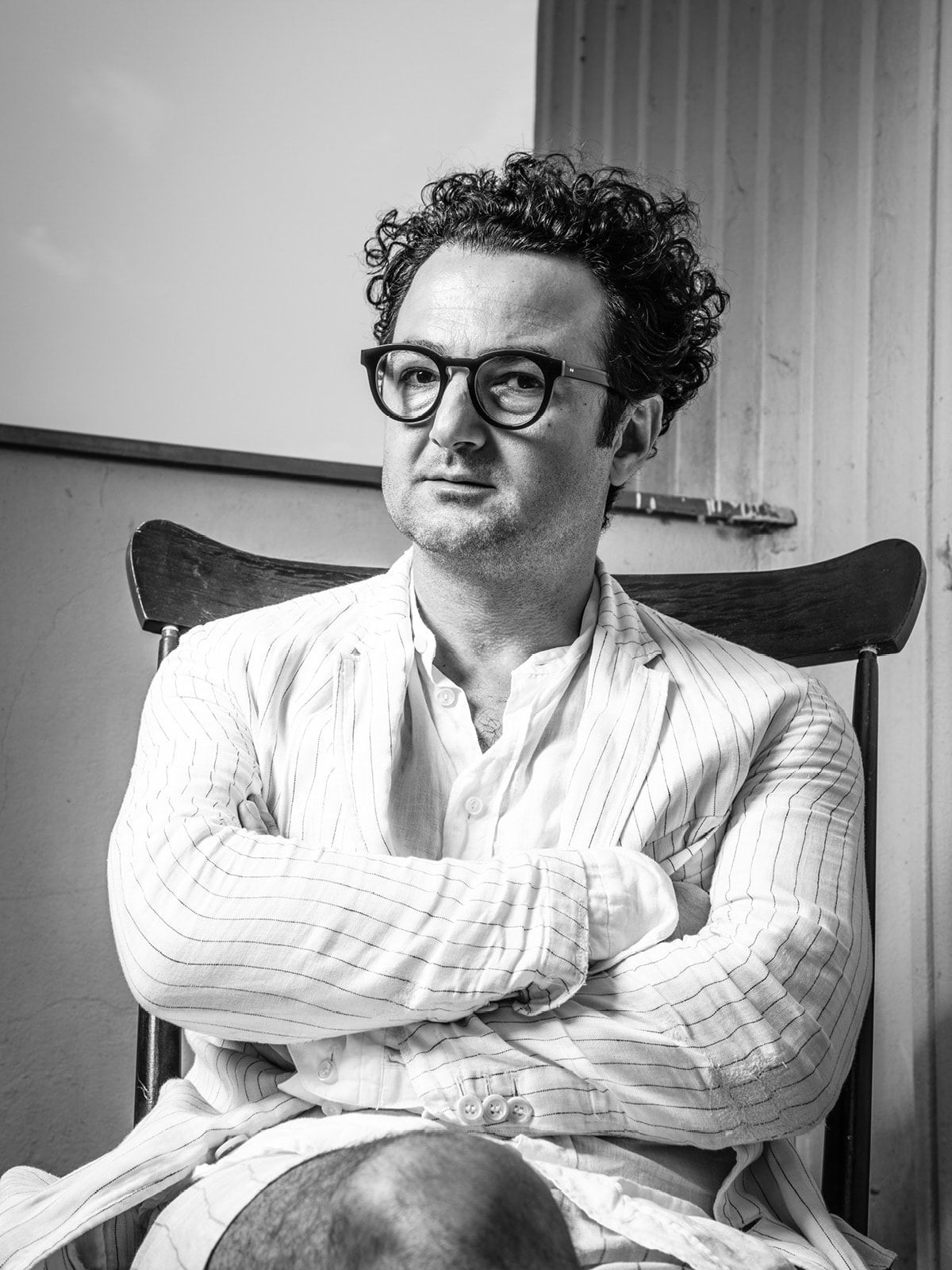
Hakan Savaş Mican
Hakan Savaş Mican, born in Berlin in 1978 and raised in Turkey, returned to Berlin in 1996 and completed his architecture studies in 2004. He then studied directing at the German Film and Television Academy Berlin (DFFB). During his studies, he made feature films and documentaries for ARTE and RBB.
Since 2008, he has worked as a director, author and adaptor of literary material for the theater, including at the Thalia Theater Hamburg and the Maxim Gorki Theater, where he has been resident director since 2013. His productions have been invited to numerous festivals, including the Berliner Theatertreffen, and have been shown internationally, including in Stockholm, Amsterdam, Prague and New York.
At the Maxim Gorki Theater, Mican has staged sixteen theater productions to date, including his own texts such as Berlin Oranienplatz, Berlin Kleistpark, Berlin Karl-Marx-Platz, and Alles wird schön sein., plays by Sasha Marianna Salzmann Schwimmen Lernen and Muttersprache Mameloschn, book adaptations such as Vatermal by Necati Öziri, Die Nacht von Lissabon (The Night of Lisbon) based on Erich Maria Remarque, Unser Deutschlandmärchen (Our German Fairy Tale) based on the novel by Dinçer Güçyeter, and Die Ungehaltenen (The Discontented) based on the novel by Deniz Utlu, classic plays such as Glaube Liebe Hoffnung (Faith, Love, Hope) by Ödön von Horváth, and film adaptations for the stage such as Angst essen Seele auf (Fear Eats the Soul) by Rainer Werner Fassbinder and Der Mann, der Liberty Valance erschoss (The Man Who Shot Liberty Valance) based on the film by John Ford.
In addition to theater works, he creates video installations, which have been shown at the Berliner Herbstsalon at the Maxim Gorki Theater and in other exhibitions, including Souvenirs and Reaching the Level of Contemporary Civilization 2. A selection of his plays will be published in two volumens in 2026.
Photo: Esra Rotthoff